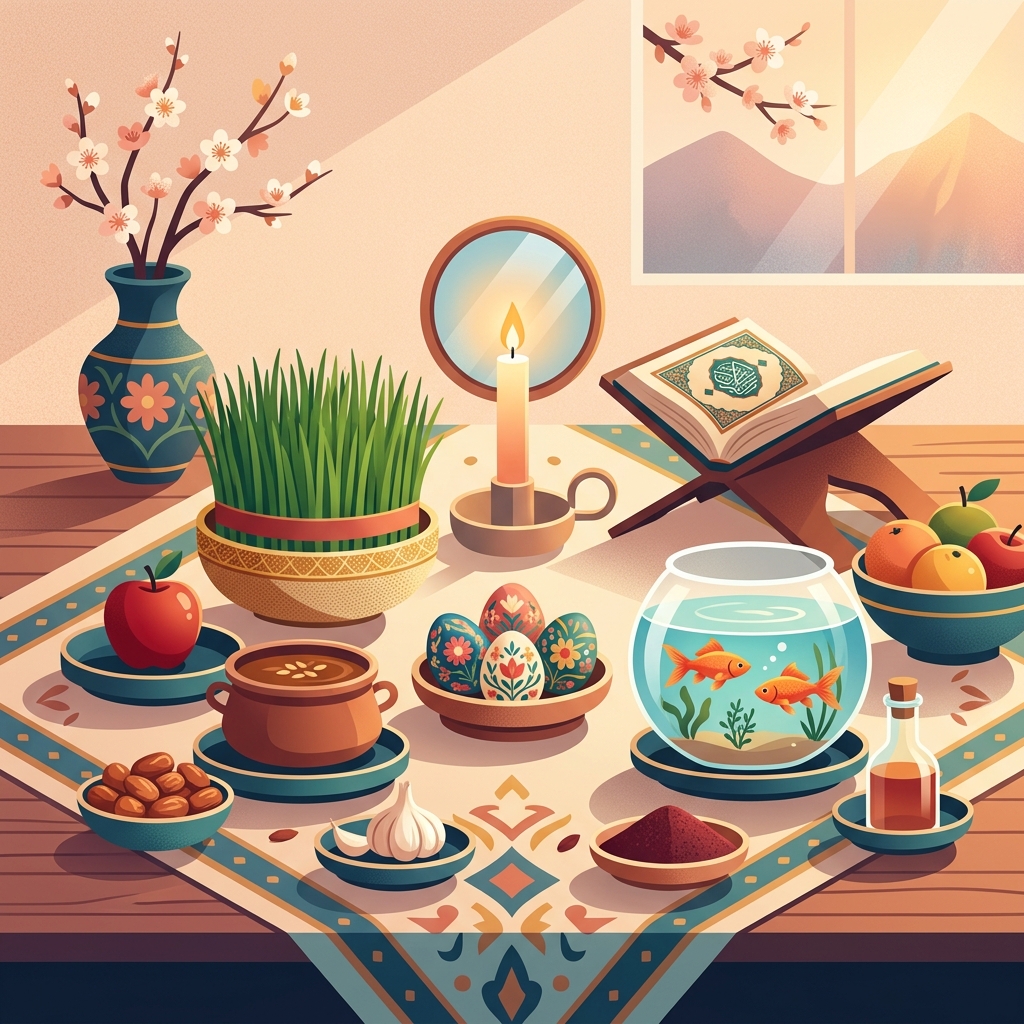
History of Nowruz — The Persian New Year
Over 3,000 years of celebrating renewal, nature, and hope
What Is Nowruz?
Nowruz (نوروز), literally meaning "New Day" in Persian, is the traditional Persian and Iranian New Year celebrated at the precise astronomical moment of the vernal equinox — the instant when the Sun crosses the celestial equator heading northward, marking the first day of spring in the Northern Hemisphere. This typically falls on March 20 or 21 each year. Nowruz marks the first day of Farvardin, the opening month of the Solar Hijri (Iranian) calendar, and it is the most cherished and widely observed cultural celebration across the Persian-speaking world.
Far more than a simple calendar event, Nowruz is a deeply rooted cultural institution that embodies themes of rebirth, renewal, the triumph of light over darkness, and the awakening of nature after winter. Over 300 million people in more than a dozen countries observe Nowruz, making it one of the most widely celebrated festivals on the planet.
Ancient Origins: Zoroastrianism and the Dawn of Nowruz
The origins of Nowruz reach back over three millennia to the ancient Zoroastrian civilization of the Iranian Plateau. Zoroastrianism, one of the world's oldest monotheistic religions founded by the prophet Zarathustra (Zoroaster), placed profound importance on the cycles of nature, the cosmic struggle between good (Ahura Mazda) and evil (Angra Mainyu), and the celebration of light. The vernal equinox — when daylight begins to surpass darkness — was understood as a powerful symbol of Ahura Mazda's triumph.
According to Persian mythology, Nowruz is intimately linked with Jamshid (جمشید), the legendary king of the Pishdadian dynasty. The Shahnameh (شاهنامه), Ferdowsi's epic masterpiece of Persian literature composed around 1010 CE, recounts how Jamshid ascended a jeweled throne carried by demons (divs) high into the sky. As the sun's rays struck his throne and illuminated the world below, the people marveled at the radiance and declared that day "Nowruz" — a new day. Jamshid's reign was said to be a golden age free from sickness, death, and want, and the celebration of Nowruz commemorated this era of perfection.
Nowruz in the Avesta and Ancient Persian Texts
The Avesta, the primary collection of Zoroastrian sacred texts, contains references to spring celebrations and the renewal of nature that scholars closely associate with proto-Nowruz rituals. The Yasna liturgies and the Vendidad both describe purification rites, fire ceremonies, and the preparation of special foods during the spring season. The concept of Rapithwin, the spirit of midday heat and summer, who was believed to retreat underground during winter and return at the equinox, is central to the Zoroastrian understanding of the seasonal cycle that Nowruz celebrates.
Later Zoroastrian texts such as the Bundahishn (a Middle Persian cosmological work) explicitly connect the creation of the world with the Nowruz celebration, stating that Ahura Mazda completed the creation of the material world during the spring equinox. The Denkard, another important Middle Persian encyclopedic text, records detailed instructions for Nowruz observances, including the preparation of ritual foods, the wearing of new clothing, and the exchange of gifts.
The Achaemenid Empire: Nowruz at Persepolis
The most spectacular physical evidence of ancient Nowruz celebrations comes from Persepolis (تخت جمشید, Takht-e Jamshid), the ceremonial capital of the Achaemenid Empire built by Darius the Great around 515 BCE. The magnificent bas-relief carvings adorning the grand staircase of the Apadana Palace depict delegations from 23 subject nations of the empire — Medes, Elamites, Babylonians, Egyptians, Indians, Scythians, and others — bringing tribute and gifts to the King of Kings during what historians believe was the annual Nowruz celebration.
These carvings show delegates carrying animals, textiles, precious metals, and vessels — gifts symbolizing the prosperity and unity of the empire under Achaemenid rule. The timing of these celebrations at Persepolis aligned with the spring equinox, and the architectural orientation of the palace complex itself appears designed to interact dramatically with sunlight during the equinox period. The Apadana reliefs remain one of the most iconic representations of ancient international diplomacy and cultural exchange.
Nowruz Through the Ages: Survival and Resilience
One of the most remarkable aspects of Nowruz is its extraordinary resilience. Despite dramatic political, religious, and cultural upheavals over the centuries, Nowruz has endured and adapted, never losing its central place in the lives of the peoples who celebrate it.
- The Arab Conquest (7th century CE): The Islamic conquest of Persia in the mid-7th century transformed the religious landscape of the Iranian world. While many Zoroastrian practices were suppressed or abandoned, Nowruz proved too deeply woven into the cultural fabric to be eliminated. Arab and Muslim historians such as al-Biruni (973–1048 CE) extensively documented Nowruz customs, and several Abbasid caliphs themselves adopted the celebration. The Persian bureaucratic class, essential to running the expanding Islamic empire, ensured Nowruz remained a fixture of the administrative and cultural calendar.
- The Mongol Invasion (13th century): The devastating Mongol invasions under Genghis Khan and his successors caused immense destruction across the Iranian lands. Yet Nowruz survived. Remarkably, the Ilkhanid rulers who governed Persia after the Mongol conquest adopted Persian customs wholesale, including the observance of Nowruz. The astronomer Nasir al-Din al-Tusi, working under Mongol patronage, produced sophisticated astronomical tables used to calculate the precise moment of the equinox.
- The Safavid Dynasty (1501–1736): Under the Safavids, who established Shia Islam as the state religion of Iran, Nowruz continued to flourish. The Safavid court elevated Nowruz celebrations to new heights of splendor, combining Persian cultural traditions with Shia Islamic observances. The great capital of Isfahan became a spectacular stage for Nowruz festivities.
- The Modern Era: In the 20th and 21st centuries, Nowruz has continued to evolve while retaining its essential character. During the Pahlavi era, Nowruz was promoted as a symbol of Iranian national identity. After the 1979 Islamic Revolution, despite initial ambivalence from some religious authorities, Nowruz proved once again impossible to suppress and remains Iran's most important cultural celebration.
The Haft-Sin Table: Seven Symbols of Life
The Haft-sin (هفتسین), literally the "Seven S's," is the iconic centerpiece of Nowruz celebrations. It is a carefully arranged table setting featuring seven specific items, each beginning with the Persian letter sin (س). Each item carries deep symbolic meaning rooted in Zoroastrian and Persian cosmology:
In addition to the seven sin items, the Haft-sin table often includes other meaningful objects: a mirror (reflecting the image of creation), candles (one for each child in the family, representing enlightenment), painted eggs (symbolizing fertility), a bowl of goldfish (mahi-ye qermez, representing life and the sign of Pisces), a copy of the Quran, the Shahnameh, or the Divan of Hafez (representing wisdom and culture), coins (symbolizing prosperity), and hyacinth flowers (sonbol, representing the coming of spring).
Chaharshanbe Suri: The Festival of Fire
Chaharshanbe Suri (چهارشنبهسوری), celebrated on the eve of the last Wednesday before Nowruz, is a vibrant fire-jumping festival with deep Zoroastrian roots. People light bonfires in the streets and leap over the flames while chanting "Zardi-ye man az to, sorkhi-ye to az man" (زردی من از تو، سرخی تو از من) — "Your fiery redness is mine, my sickly pallor is yours." This ritual symbolizes the purification of the body and soul, casting away the ailments and misfortunes of the past year and absorbing the fire's warmth and vitality for the year ahead.
Chaharshanbe Suri also features other traditions including the banging of spoons (qashoq-zani), where people disguise themselves and knock on doors to receive treats — a custom bearing resemblance to Halloween — and the cracking of nuts and dried fruits. The festival is a joyous, communal event that builds excitement for the Nowruz celebrations to come.
Haji Firuz: The Herald of Nowruz
Haji Firuz (حاجی فیروز) is the beloved traditional character who announces the arrival of Nowruz. Dressed in bright red clothing with a blackened face (interpreted by scholars as representing the return from the underworld or the soot of bonfires), Haji Firuz dances and sings through the streets, playing a tambourine and performing the iconic song: "Haji Firuze, sali ye ruze" (It's Haji Firuz time, it happens once a year). His appearance in bazaars and neighborhoods in the days leading up to Nowruz fills cities with an unmistakable sense of anticipation and festivity.
The character of Haji Firuz likely has roots in ancient Mesopotamian and Zoroastrian spring rituals involving figures who embodied the transition between death and rebirth, winter and spring.
Sizdah Bedar: Nature Day
Sizdah Bedar (سیزدهبدر), celebrated on the thirteenth day of Farvardin (April 1 or 2), marks the conclusion of the Nowruz holidays. The name literally means "getting rid of thirteen," reflecting a belief that the number thirteen carries bad luck that must be dispelled by spending the entire day outdoors in nature. Families pack elaborate picnics and head to parks, gardens, riversides, and countryside meadows for a day of feasting, games, music, and relaxation.
A central Sizdah Bedar tradition involves throwing the sabzeh (sprouts) from the Haft-sin table into a flowing river or stream. This act symbolizes casting away the old year's troubles and returning the sprouts — which have absorbed the family's misfortunes during the thirteen-day holiday — back to nature. Young unmarried people traditionally tie the blades of the sabzeh together while making a wish for love and marriage in the coming year.
Khane Tekani: Spring Cleaning
Khane tekani (خانهتکانی), literally "shaking the house," is the thorough spring-cleaning tradition that precedes Nowruz. In the weeks before the new year, families deep-clean every corner of their homes — washing carpets, polishing silverware, laundering curtains, whitewashing walls, and decluttering. The practice represents the clearing away of the old year's accumulated dust and negativity to welcome the new year with a fresh, pure living space. It is considered deeply important that one enter the new year in a clean, orderly home, wearing new clothes, and free from the burdens of the past.
Visiting Elders: Did o Bazdid
The tradition of did o bazdid (دید و بازدید), meaning "visiting and being visited," is a fundamental social ritual of Nowruz. During the thirteen-day holiday period, families make rounds of visits, beginning with the oldest and most respected members of the family. Younger relatives visit their elders first as a mark of respect, and the elders reciprocate. These visits involve serving tea, sweets (ajil, a mix of nuts and dried fruits, and shirini, pastries), and engaging in warm conversation. Eidi (عیدی) — gifts of money, typically crisp new banknotes — are given by elders to children and younger family members.
Nowruz Around the World
While Nowruz is most closely associated with Iran, its observance extends across a vast geographical and cultural area:
- Iran: The heartland of Nowruz. A two-week national holiday with the most elaborate traditions, from Chaharshanbe Suri to Sizdah Bedar.
- Afghanistan: Known as Nowruz or the Farmer's Day, it is an official holiday. Celebrations center on Mazar-i-Sharif, where the famous Jahenda Bala (raising of the flag) ceremony takes place at the Shrine of Ali.
- Tajikistan: Nowruz is the most important national holiday. Celebrations include traditional music, sumalak (the Tajik version of samanu) preparation, horse racing, and the traditional wrestling known as gushtingiri.
- Azerbaijan: Called Novruz, it is a five-day national holiday featuring elaborate fire displays, traditional music, and the iconic Kosa and Kechi characters.
- Kurdistan (Iraq, Turkey, Syria): Known as Newroz, it holds particular significance as a symbol of Kurdish cultural identity. Massive fire-lit celebrations take place across Kurdish regions.
- Turkey: Celebrated as Nevruz, recognized as an official holiday since 1995.
- Central Asia (Uzbekistan, Turkmenistan, Kazakhstan, Kyrgyzstan): Known as Navro'z or Nooruz, with celebrations featuring sumalak, traditional horse games such as buzkashi and kupkari, and communal feasts.
- Global Diaspora: Vibrant Nowruz celebrations take place in Los Angeles, London, Toronto, Sydney, and other cities with large Iranian and Central Asian communities. Los Angeles, with the largest Iranian diaspora population, hosts some of the most spectacular celebrations outside of Iran.
UNESCO Recognition and International Day of Nowruz
In 2009, Nowruz was inscribed on UNESCO's Representative List of the Intangible Cultural Heritage of Humanity. The joint nomination was submitted by Iran, Azerbaijan, India, Kyrgyzstan, Pakistan, Turkey, and Uzbekistan — a testament to the festival's broad, multinational significance. UNESCO recognized Nowruz as promoting values of peace, solidarity between generations and within families, reconciliation, and neighborliness, contributing to cultural diversity and friendship among peoples and different communities.
In 2010, the United Nations General Assembly adopted Resolution 64/253, officially recognizing March 21 as the International Day of Nowruz. The resolution acknowledged Nowruz as a spring festival of Persian origin that has been celebrated for over 3,000 years and recognized its role in promoting peace, goodwill, and harmony with nature. Each year, the UN Secretary-General issues a message celebrating Nowruz and its universal values.
🕐 Track the Exact Moment of Tahvil-e Sal with Boshkeh
The heart of Nowruz is Tahvil-e Sal (تحویل سال) — the precise astronomical instant when the Sun crosses the celestial equator and spring officially begins. This moment is calculated to the exact second each year by astronomers. Families gather around the Haft-sin table, hold their breath, and wait for this sacred transition together.
Boshkeh provides an accurate countdown timer to the exact moment of Tahvil-e Sal, so you never miss the most important second of the year. Whether you're at home with family or celebrating abroad, Boshkeh keeps you connected to this ancient astronomical tradition with modern precision. Boshkeh also features the Persian (Solar Hijri) calendar, helping you stay connected to Iranian cultural time year-round.
Nowruz in Modern Life
In the 21st century, Nowruz continues to evolve while preserving its ancient essence. Social media has added new dimensions to the celebration, with families sharing photos of their Haft-sin tables, Chaharshanbe Suri fire-jumping videos going viral, and diaspora communities organizing virtual Nowruz gatherings. Yet the core traditions — the meticulous preparation of the Haft-sin, the warmth of family visits, the joyous chaos of Sizdah Bedar picnics — remain as vital and meaningful as they were centuries ago.
Modern Nowruz also intersects with environmental awareness. The festival's fundamental connection to the natural world — the spring equinox, the sprouting of seeds, the day spent in nature on Sizdah Bedar — resonates powerfully with contemporary ecological consciousness. Nowruz reminds us that human civilization is inextricable from the rhythms of the Earth.
As one of humanity's oldest continuously celebrated festivals, Nowruz stands as a testament to the enduring power of cultural traditions. It bridges ancient Zoroastrian cosmology with modern secular celebration, connects millions of people across national borders and religious differences, and affirms — every year, at the exact moment of the equinox — the universal human yearning for renewal, hope, and a fresh beginning.
تاریخچه نوروز — سال نوی ایرانی
بیش از ۳۰۰۰ سال جشن نوزایی، طبیعت و امید
نوروز چیست؟
نوروز (به معنای «روز نو») جشن سال نوی ایرانی است که دقیقاً در لحظهی نجومی اعتدال بهاری برگزار میشود — یعنی آن لحظهای که خورشید از استوای آسمانی عبور کرده و به سمت شمال حرکت میکند و بهار در نیمکرهی شمالی آغاز میشود. این لحظه معمولاً در ۲۹ یا ۳۰ اسفند (۲۰ یا ۲۱ مارس) رخ میدهد. نوروز نخستین روز فروردین، ماه آغازین تقویم هجری شمسی (خورشیدی) است و مهمترین و محبوبترین جشن فرهنگی در جهان فارسیزبان به شمار میرود.
نوروز بسیار فراتر از یک رویداد تقویمی ساده است. نوروز نهادی فرهنگی با ریشههای عمیق است که مفاهیم نوزایی، تجدید حیات، پیروزی نور بر تاریکی و بیداری طبیعت پس از زمستان را در بر میگیرد. بیش از ۳۰۰ میلیون نفر در بیش از دوازده کشور جهان نوروز را جشن میگیرند و همین امر آن را به یکی از پرشکوهترین جشنهای سراسر جهان تبدیل کرده است.
ریشههای باستانی: زرتشت و سرآغاز نوروز
خاستگاه نوروز به بیش از سه هزار سال پیش و تمدن کهن زرتشتی فلات ایران باز میگردد. آیین زرتشت، یکی از کهنترین ادیان توحیدی جهان که توسط پیامبر زرتشت (زرتشتِرا) بنیان نهاده شد، اهمیت فراوانی برای چرخههای طبیعت، نبرد کیهانی میان نیکی (اهورامزدا) و بدی (اهریمن) و جشن نور قائل بود. اعتدال بهاری — هنگامی که نور روز از تاریکی پیشی میگیرد — نمادی قدرتمند از پیروزی اهورامزدا شمرده میشد.
بنا بر اسطورههای ایرانی، نوروز پیوند نزدیکی با جمشید، پادشاه افسانهای سلسلهی پیشدادی دارد. شاهنامهی فردوسی — شاهکار حماسی ادبیات فارسی که در حدود سال ۳۸۹ خورشیدی (۱۰۱۰ میلادی) سروده شد — روایت میکند که جمشید بر تختی جواهرنشان نشست که دیوان آن را به آسمان بردند. هنگامی که پرتو خورشید بر تخت او تابید و جهان زیر پای او روشن شد، مردم از آن درخشش به شگفت آمدند و آن روز را «نوروز» — روز نو — نام نهادند. دوران فرمانروایی جمشید عصری طلایی شمرده میشد که در آن نه بیماری بود و نه مرگ، و نوروز یادآور آن دوران کمال است.
نوروز در اوستا و متون کهن فارسی
اوستا، مجموعهی اصلی متون مقدس زرتشتی، شامل اشاراتی به جشنهای بهاری و تجدید حیات طبیعت است که پژوهشگران آنها را با آیینهای نخستین نوروز مرتبط میدانند. سرودهای یسنا و وندیداد هر دو به آیینهای پاکسازی، مراسم آتش و تدارک خوراکهای ویژه در فصل بهار اشاره دارند. مفهوم رَپیثْوین — روح گرمای نیمروز و تابستان که باور بر این بود در زمستان به زیر زمین میرود و در اعتدال بهاری بازمیگردد — در فهم زرتشتی از چرخهی فصلی که نوروز آن را جشن میگیرد، نقشی محوری دارد.
متون زرتشتی متأخر مانند بُندَهِشن (اثری کیهانشناختی به زبان فارسی میانه) بهصراحت آفرینش جهان را با جشن نوروز پیوند میزنند و بیان میکنند که اهورامزدا آفرینش جهان مادی را در اعتدال بهاری به پایان رساند. دینکرد، دیگر متن دانشنامهای مهم فارسی میانه، دستورالعملهای مفصلی برای آیینهای نوروز ثبت کرده است، از جمله تدارک خوراکهای آیینی، پوشیدن جامهی نو و ردوبدل کردن هدیه.
شاهنشاهی هخامنشی: نوروز در تخت جمشید
باشکوهترین شواهد فیزیکی از جشنهای نوروز باستان از تخت جمشید (پرسپولیس)، پایتخت تشریفاتی شاهنشاهی هخامنشی، به دست آمده است که داریوش بزرگ آن را در حدود ۵۱۵ پیش از میلاد بنا نهاد. نقشبرجستههای شکوهمندی که پلکان بزرگ کاخ آپادانا را تزئین میکنند، هیئتهایی از ۲۳ ملت تابع شاهنشاهی — مادها، عیلامیها، بابلیها، مصریها، هندیها، سکاها و دیگران — را نشان میدهند که هدایا و خراج به پیشگاه شاهنشاه میآورند؛ رویدادی که مورخان بر این باورند جشن سالانهی نوروز بوده است.
این نقشبرجستهها نمایندگانی را نشان میدهند که حیوانات، پارچهها، فلزات گرانبها و ظروف — هدایایی نماد شکوفایی و وحدت شاهنشاهی تحت فرمان هخامنشیان — به همراه آوردهاند. زمانبندی این جشنها با اعتدال بهاری همخوانی داشت و جهتگیری معماری خود مجموعهی کاخ نیز به گونهای طراحی شده بود که در دورهی اعتدال با نور خورشید تعامل چشمگیری داشته باشد.
نوروز در گذر تاریخ: بقا و پایداری
یکی از شگفتانگیزترین ویژگیهای نوروز، پایداری خارقالعادهی آن است. با وجود دگرگونیهای بزرگ سیاسی، دینی و فرهنگی در طول قرنها، نوروز دوام آورده و سازگار شده و هرگز جایگاه محوری خود را در زندگی مردمانی که آن را جشن میگیرند از دست نداده است.
- فتح اعراب (سدهی هفتم میلادی): فتح اسلامی ایران در اواسط سدهی هفتم، چشمانداز دینی جهان ایرانی را دگرگون کرد. اگرچه بسیاری از آیینهای زرتشتی کنار گذاشته شدند، اما نوروز چنان عمیق در بافت فرهنگی تنیده بود که حذف آن ناممکن شد. مورخان مسلمان و عرب مانند ابوریحان بیرونی آداب نوروز را بهتفصیل مستند کردند و چندین خلیفهی عباسی خود نوروز را پذیرفتند.
- حملهی مغول (سدهی سیزدهم): حملات ویرانگر مغول تحت رهبری چنگیزخان و جانشینانش خرابی عظیمی بر سرزمینهای ایرانی وارد آورد. با این حال نوروز جان سالم به در برد. حاکمان ایلخانی که پس از فتح مغول بر ایران فرمان میراندند، آداب ایرانی از جمله نوروز را یکسره پذیرفتند. ستارهشناس بزرگ خواجه نصیرالدین طوسی، زیجهای نجومی دقیقی تهیه کرد که برای محاسبهی لحظهی دقیق اعتدال به کار میرفتند.
- سلسلهی صفویه (۱۵۰۱–۱۷۳۶): در دوران صفویان که مذهب شیعه را دین رسمی ایران قرار دادند، نوروز همچنان شکوفا بود. دربار صفوی جشنهای نوروز را به اوج شکوه رساند و سنتهای فرهنگی ایرانی را با مراسم شیعی درآمیخت. اصفهان بزرگ، صحنهای باشکوه برای جشنهای نوروزی شد.
- دوران مدرن: در سدههای بیستم و بیستویکم، نوروز به تحول خود ادامه داده و در عین حال ماهیت اصلیاش را حفظ کرده است. در دوران پهلوی، نوروز بهعنوان نماد هویت ملی ایرانی ترویج شد. پس از انقلاب ۱۳۵۷، با وجود تردید اولیهی برخی مقامات دینی، نوروز بار دیگر ثابت کرد که سرکوبناپذیر است و مهمترین جشن فرهنگی ایران باقی ماند.
سفرهی هفتسین: هفت نماد زندگی
هفتسین نماد شاخص جشنهای نوروز و قلب تپندهی آن است. سفرهای است با چیدمانی دقیق شامل هفت چیز ویژه که همه با حرف «سین» (س) آغاز میشوند. هر یک از این اقلام معنای نمادین ژرفی دارد که ریشه در کیهانشناسی زرتشتی و ایرانی دارد:
علاوه بر هفتسین، سفرهی نوروزی اغلب شامل اشیای پرمعنای دیگری نیز هست: آینه (بازتاب تصویر آفرینش)، شمع (یکی برای هر فرزند خانواده، نماد روشنایی)، تخممرغ رنگشده (نماد باروری)، تنگ ماهی قرمز (نماد زندگی و برج حوت)، کتاب قرآن، شاهنامه یا دیوان حافظ (نماد دانش و فرهنگ)، سکه (نماد ثروت) و گل سنبل (نماد آمدن بهار).
چهارشنبهسوری: جشن آتش
چهارشنبهسوری که شب آخرین سهشنبهی سال برگزار میشود، جشنی پرشور با ریشههای عمیق زرتشتی است. مردم در کوچه و خیابان آتش روشن میکنند و از روی شعلهها میپرند و میخوانند: «زردی من از تو، سرخی تو از من.» این آیین نماد پاکسازی جسم و روح است — دور ریختن بیماریها و بدبیاریهای سال گذشته و دریافت گرما و سرزندگی آتش برای سال پیش رو.
چهارشنبهسوری همچنین آداب دیگری مانند قاشقزنی دارد، جایی که مردم خود را مبدل میکنند و با کوبیدن در خانهها خوراکی میگیرند — رسمی شبیه هالووین — و نیز شکستن آجیل و خشکبار. این جشن رویدادی شاد و جمعی است که هیجان نوروز را دوچندان میکند.
حاجی فیروز: مژدهرسان نوروز
حاجی فیروز شخصیت محبوب سنتی است که آمدن نوروز را مژده میدهد. با لباس قرمز روشن و صورت سیاهشده (که پژوهشگران آن را بازگشت از دنیای زیرین یا دودهی آتش تعبیر کردهاند)، حاجی فیروز در کوچه و بازار میرقصد و میخواند و با دایره مینوازد: «حاجی فیروزه، سالی یه روزه.» حضور او در روزهای پیش از نوروز، شهرها را با حسی وصفناپذیر از انتظار و شادی پر میکند.
شخصیت حاجی فیروز احتمالاً ریشه در آیینهای بهاری باستانی بینالنهرینی و زرتشتی دارد که شامل چهرههایی بودند که گذار از مرگ به زندگی و از زمستان به بهار را تجسم میبخشیدند.
سیزدهبدر: روز طبیعت
سیزدهبدر که در سیزدهمین روز فروردین (۱۲ یا ۱۳ فروردین) برگزار میشود، پایانبخش تعطیلات نوروز است. معنای لفظی آن «بیرون بردن سیزده» است و بازتاب باوری است که عدد سیزده نحس شمرده میشود و باید با گذراندن تمام روز در دل طبیعت، آن نحوست را دفع کرد. خانوادهها سفرههای مفصل پیکنیک آماده میکنند و راهی پارکها، باغها، کنار رودخانهها و دشتها میشوند تا روزی را با ضیافت، بازی، موسیقی و آسایش بگذرانند.
یکی از آیینهای اصلی سیزدهبدر، انداختن سبزهی سفرهی هفتسین در آب روان (رودخانه یا جوی) است. این کار نماد دور انداختن گرفتاریهای سال کهنه و بازگرداندن سبزه — که در سیزده روز تعطیلات بدبختیهای خانواده را جذب کرده — به آغوش طبیعت است. جوانان مجرد به رسم سنت، برگهای سبزه را به هم گره میزنند و آرزوی عشق و ازدواج در سال نو میکنند.
خانهتکانی
خانهتکانی (به معنای «تکاندن خانه») سنت نظافت کامل بهاری است که پیش از نوروز انجام میشود. در هفتههای پیش از سال نو، خانوادهها همهی گوشهوکنار خانه را از نو تمیز میکنند — فرشها را میشویند، نقرهآلات را جلا میدهند، پردهها را میشویند، دیوارها را سفید میکنند و اضافات را دور میریزند. این رسم نمایانگر پاک کردن گرد و غبار و منفیبافی سال گذشته است تا سال نو را با فضایی تازه و پاک استقبال کنند. بسیار مهم شمرده میشود که آدم با خانهای تمیز و مرتب، لباس نو و رهایی از بار گذشته وارد سال جدید شود.
دید و بازدید نوروزی
سنت دید و بازدید یکی از آیینهای اجتماعی بنیادین نوروز است. در طول سیزده روز تعطیلات، خانوادهها به دیدار یکدیگر میروند و نخست از بزرگترین و محترمترین اعضای خانواده شروع میکنند. خویشاوندان جوانتر ابتدا به دیدار بزرگترها میروند و بزرگترها پاسخ دیدار میدهند. در این دیدارها چای، شیرینی و آجیل پذیرایی میشود و گفتگوهای گرم در میگیرد. عیدی — هدیهی نقدی، معمولاً اسکناسهای نو و تاخورده — از سوی بزرگترها به کودکان و اعضای جوانتر خانواده داده میشود.
نوروز در سراسر جهان
اگرچه نوروز بیش از همه با ایران شناخته میشود، برگزاری آن در گسترهی جغرافیایی و فرهنگی وسیعی انجام میشود:
- ایران: خاستگاه اصلی نوروز. تعطیلات دو هفتهای رسمی با مفصلترین آداب، از چهارشنبهسوری تا سیزدهبدر.
- افغانستان: نوروز یا «روز دهقان» تعطیل رسمی است. جشنها حول مزار شریف و مراسم جهندهبالا (برافراشتن بیرق) در زیارتگاه حضرت علی متمرکز است.
- تاجیکستان: نوروز مهمترین عید ملی است. جشنها شامل موسیقی سنتی، تهیهی سمنک (نسخهی تاجیکی سمنو)، اسبدوانی و کشتی سنتی گُشتینگیری است.
- آذربایجان: با نام «نوروز» (Novruz) تعطیلات رسمی پنجروزه است و شامل نمایشهای آتش، موسیقی سنتی و شخصیتهای نمادین کوسا و کچی است.
- کردستان (عراق، ترکیه، سوریه): با نام «نوروز» (Newroz) شناخته میشود و اهمیت ویژهای بهعنوان نماد هویت فرهنگی کُرد دارد. جشنهای بزرگ با آتشافروزی در سراسر مناطق کردنشین برگزار میشود.
- ترکیه: با نام «نوروز» (Nevruz) از سال ۱۹۹۵ بهعنوان تعطیل رسمی شناخته شده است.
- آسیای مرکزی (ازبکستان، ترکمنستان، قزاقستان، قرقیزستان): با نامهای «نوروز» (Navro'z یا Nooruz) با جشنهایی شامل سمنک، بازیهای اسبسواری مانند بزکشی و کوپکاری و ضیافتهای جمعی برگزار میشود.
- ایرانیان مهاجر در سراسر جهان: جشنهای پرشور نوروزی در لسآنجلس، لندن، تورنتو، سیدنی و دیگر شهرهایی که جوامع بزرگ ایرانی و آسیای مرکزی دارند برگزار میشود. لسآنجلس، با بزرگترین جامعهی ایرانی مهاجر، از باشکوهترین جشنهای نوروزی بیرون از ایران میزبانی میکند.
شناسایی یونسکو و روز جهانی نوروز
در سال ۱۳۸۸ خورشیدی (۲۰۰۹ میلادی)، نوروز در فهرست نمایندگان میراث فرهنگی ناملموس بشریت یونسکو ثبت شد. نامزدی مشترک توسط ایران، آذربایجان، هند، قرقیزستان، پاکستان، ترکیه و ازبکستان ارائه شد — گواهی بر اهمیت گسترده و فراملی این جشن. یونسکو نوروز را بهعنوان مروّج ارزشهای صلح، همبستگی میان نسلها و درون خانوادهها، آشتی و همسایگی شناسایی کرد.
در سال ۱۳۸۹ خورشیدی (۲۰۱۰ میلادی)، مجمع عمومی سازمان ملل متحد قطعنامهی ۲۵۳/۶۴ را تصویب کرد و رسماً ۲۱ مارس (اول فروردین) را بهعنوان روز جهانی نوروز شناسایی کرد. این قطعنامه نوروز را جشن بهاری با ریشهی ایرانی دانست که بیش از ۳۰۰۰ سال قدمت دارد و نقش آن در ترویج صلح، حسن نیت و هماهنگی با طبیعت را به رسمیت شناخت. هر ساله دبیرکل سازمان ملل پیامی به مناسبت نوروز و ارزشهای جهانی آن صادر میکند.
🕐 لحظهی دقیق تحویل سال را با بُشکه دنبال کنید
قلب نوروز تحویل سال است — لحظهی دقیق نجومی که خورشید از استوای آسمانی عبور میکند و بهار رسماً آغاز میشود. این لحظه هر سال توسط ستارهشناسان تا ثانیه محاسبه میشود. خانوادهها دور سفرهی هفتسین جمع میشوند، نفسها در سینه حبس میشود و همه با هم این گذار مقدس را انتظار میکشند.
بُشکه شمارش معکوس دقیقی تا لحظهی تحویل سال ارائه میدهد تا هرگز مهمترین ثانیهی سال را از دست ندهید. چه در خانه کنار خانواده باشید و چه در غربت نوروز را جشن بگیرید، بُشکه شما را با دقت امروزی به این سنت نجومی کهن متصل نگه میدارد. بُشکه همچنین تقویم فارسی (هجری شمسی) را ارائه میدهد تا در تمام طول سال با زمان فرهنگی ایرانی در ارتباط باشید.
نوروز در زندگی امروز
در سدهی بیستویکم، نوروز به تحول خود ادامه میدهد و در عین حال جوهرهی باستانیاش را حفظ میکند. شبکههای اجتماعی ابعاد تازهای به جشن افزودهاند: خانوادهها عکس سفرهی هفتسینشان را به اشتراک میگذارند، ویدئوهای آتشبازی چهارشنبهسوری وایرال میشوند و جوامع ایرانی مهاجر دورهمیهای مجازی نوروزی ترتیب میدهند. با این حال، سنتهای اصلی — تدارک دقیق هفتسین، گرمای دید و بازدید خانوادگی، هیاهوی شاد پیکنیک سیزدهبدر — همچنان به همان اندازهی قرنها پیش زنده و معنادار هستند.
نوروز مدرن همچنین با آگاهی زیستمحیطی پیوند میخورد. ارتباط بنیادین این جشن با طبیعت — اعتدال بهاری، جوانه زدن بذرها، روز طبیعت سیزدهبدر — با وجدان بومشناختی معاصر همآوایی عمیقی دارد. نوروز به ما یادآوری میکند که تمدن بشری از ریتمهای زمین جداییناپذیر است.
نوروز بهعنوان یکی از کهنترین جشنهایی که پیوسته برگزار شده، گواهی بر نیروی پایدار سنتهای فرهنگی است. پلی است میان کیهانشناسی باستانی زرتشتی و جشن سکولار مدرن، میلیونها نفر را فراسوی مرزهای ملی و تفاوتهای دینی به هم پیوند میدهد و هر سال — دقیقاً در لحظهی اعتدال — آرزوی جهانی بشر برای نوزایی، امید و آغازی تازه را تصدیق میکند.